What Happens During a Real Estate Appraisal?
Whether you’re buying, refinancing, settling an estate, going through a divorce, or preparing to sell, you may need a real estate appraisal. While many people have heard the term, few understand what the process involves or how an appraiser determines value.
What Is a Real Estate Appraisal?
A real estate appraisal is an independent, professional opinion of a property’s market value. Licensed appraisers analyze the property’s characteristics, local market conditions, and recent sales data to develop a credible opinion of value.
Appraisers remain objective and do not advocate for buyers, sellers, lenders, or agents. Their role is to provide an unbiased valuation based on market evidence.
Why Are Appraisals Needed?
Appraisals are commonly used for:
- Home purchases and refinances
- Estate and probate matters
- Divorce proceedings
- Property tax appeals
- Trust and financial planning
- Pre-listing consultations
- Private sales and investment analysis
- Legal matters involving real estate
The Appraisal Process
Scheduling the Inspection
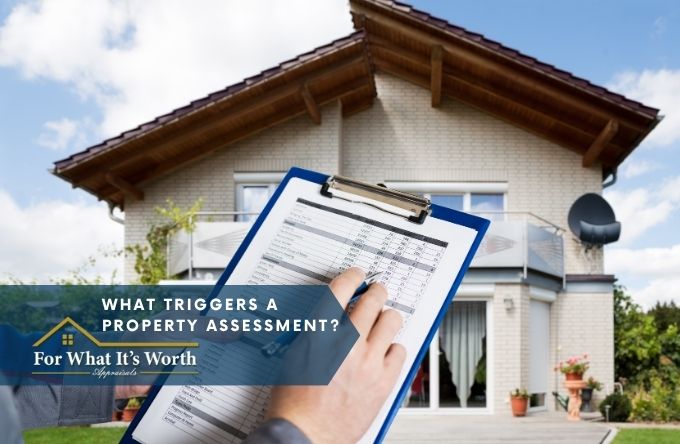
Once hired, the appraiser schedules a property inspection with the owner, occupant, or agent. Property owners can help by providing access to all areas and sharing information about recent improvements.
The Property Inspection
During the inspection, the appraiser gathers information about the property by:
- Measuring and verifying square footage
- Taking interior and exterior photographs
- Reviewing the floor plan and room count
- Evaluating condition and quality
- Noting updates and renovations
- Identifying amenities and site features
Depending on the property, inspections typically last between 30 minutes and several hours.
What Does the Appraiser Look For?
Appraisers focus on factors that influence market value, including:
- Size and Layout: Living area, room count, and functionality
- Condition: Maintenance, updates, and overall upkeep
- Quality and Features: Construction quality, garages, pools, fireplaces, and other amenities
- Location: Neighborhood appeal, schools, views, and accessibility
- Site Characteristics: Lot size, waterfront influences, topography, and other unique features
What Happens After the Inspection?
Much of the appraisal work occurs after the inspection. The appraiser researches market trends, public records, and recent comparable sales to determine how the market values properties similar to the subject.
Understanding Comparable Sales
Comparable sales, or “comps,” are recently sold properties that compete with the subject property. Appraisers analyze differences in location, size, condition, age, amenities, and other factors, making adjustments when necessary to reflect market reactions.
What Doesn’t Affect Value?
Contrary to popular belief, appraisers generally do not focus on:
- Furniture and décor
- Paint colors
- Family photos
- Personal belongings
- Temporary clutter
Market value is based primarily on characteristics buyers consistently recognize and pay for.
The Final Report
After completing the analysis, the appraiser prepares a report that typically includes:
- Property and neighborhood descriptions
- Market analysis
- Photographs and measurements
- Comparable sales data
- Supporting research
- Final opinion of value
Why Appraisals Matter
Appraisals provide an objective opinion of value that helps buyers, sellers, lenders, attorneys, and other professionals make informed decisions. By relying on market data and professional analysis, appraisals help promote confidence and transparency in real estate transactions.
Final Thoughts
A real estate appraisal involves much more than a simple property visit. From the inspection to the analysis of market data and comparable sales, appraisers conduct extensive research to develop a well-supported opinion of value.
Understanding the process can help property owners and real estate professionals approach an appraisal with greater confidence and realistic expectations.
We are always happy to help explain the valuation process and provide guidance regarding your appraisal needs.
Please call us at (843) 808-1533